
Share Share by:
- Copy link
- X
Share this article Join the conversation Follow us Add us as a preferred source on Google
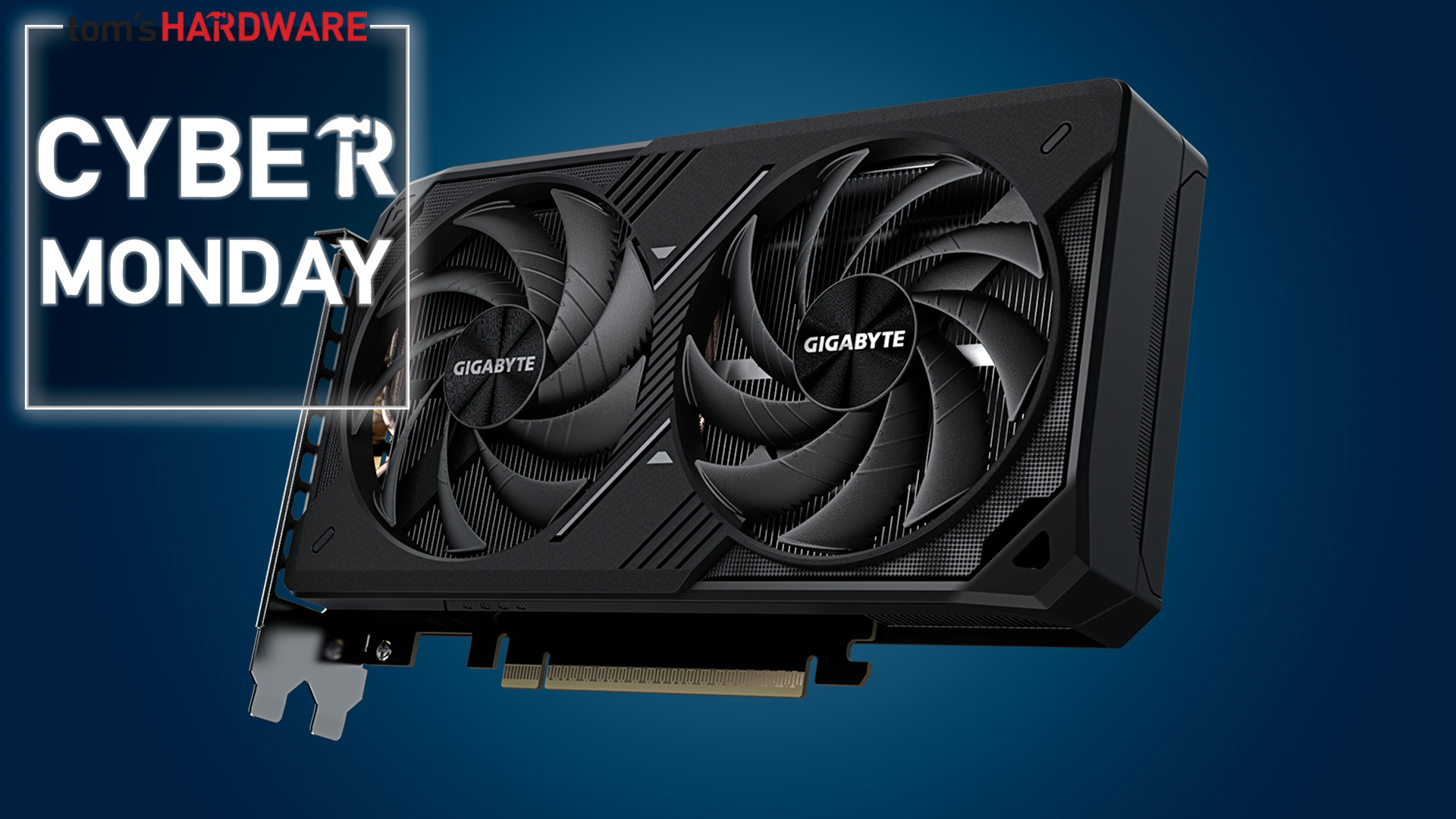
As observed by hardware enthusiast Uniko’s Hardware, Asus and Gigabyte have launched new versions of their GeForce RTX 5060 Ti models, which are among the best graphics cards currently available. In the case of Asus, the new Evo-branded SKU is more compact but also involves several noticeable downgrades. Conversely, in Gigabyte’s case, the update appears to be solely an aesthetic modification.
The primary, and arguably most significant, modification in Asus and Gigabyte’s updated models pertains to the PCIe connector. Asus has transitioned to a PCIe x8 connector on the Dual GeForce RTX 5060 Ti Evo 16GB GDDR7, replacing the PCIe x16 connector present in the original Dual GeForce RTX 5060 Ti 16GB GDDR7. Conversely, Gigabyte has implemented the opposite adjustment by adopting a PCIe x16 connector on the GeForce RTX 5060 Ti WindForce Max 16G in place of the PCIe x8 connector used in the previous GeForce RTX 5060 Ti WindForce 16G.
You may like
-
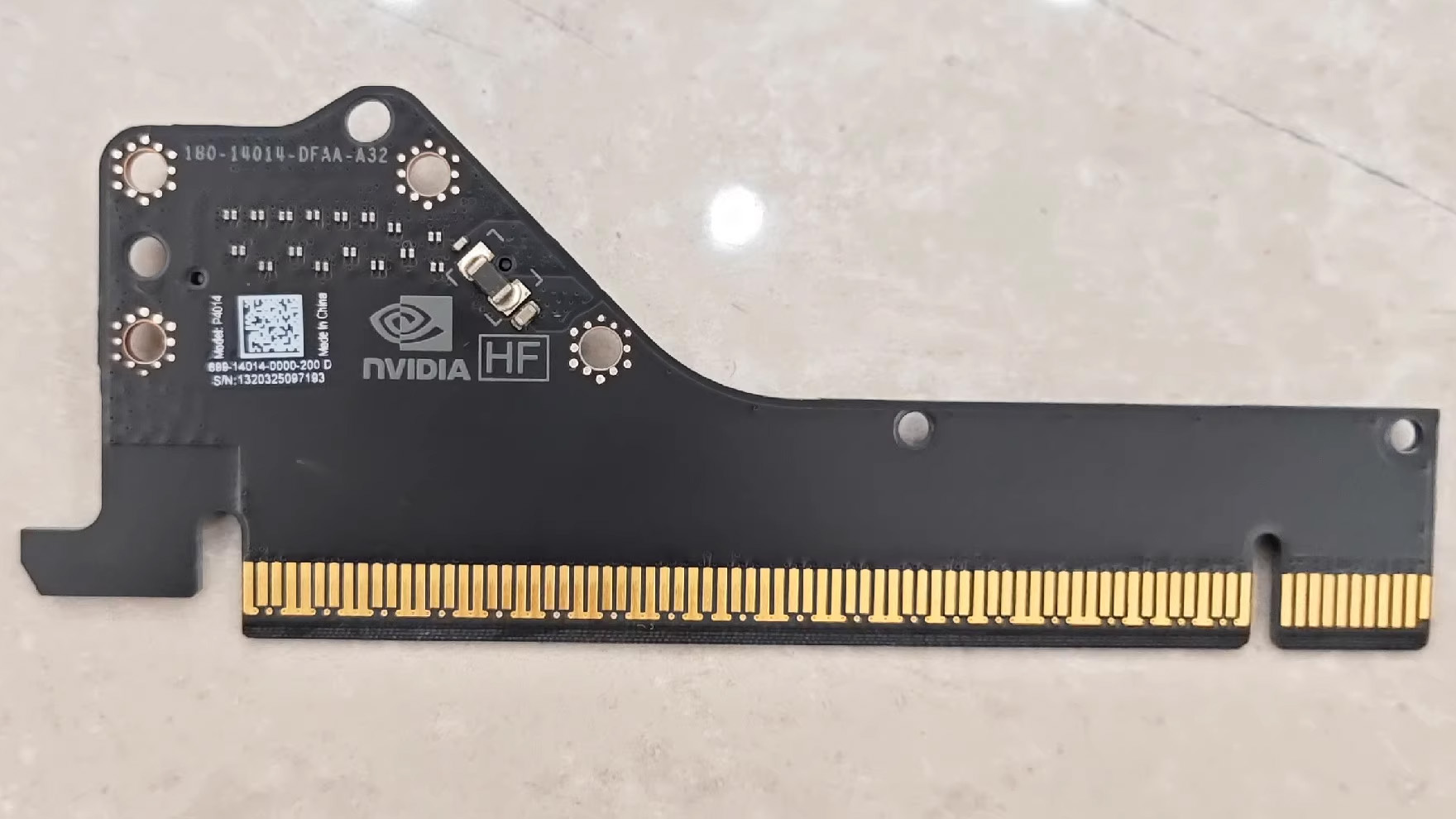
![]() Nvidia’s fabled PCIe finger sells for under $25 in China, should you happen to break it
Nvidia’s fabled PCIe finger sells for under $25 in China, should you happen to break it -
 GeForce RTX 50-series GPUs are finally selling at and below MSRP
 -
![]() RTX 5060 Ti 8GB drops to $299, making it worth buying for the first time
RTX 5060 Ti 8GB drops to $299, making it worth buying for the first time
Asus and Gigabyte GeForce RTX 5060 Ti Specifications
Swipe to scroll horizontally
|
Brand |
Model |
Dimensions (Inches) |
Boost Clock (MHz) |
CUDA Cores |
Memory |
Part Number |
|---|---|---|---|---|---|---|
|
Asus |
Dual GeForce RTX 5060 Ti Evo 16GB GDDR7 |
8.85 x 4.72 x 1.65 |
2,602 |
4,608 |
16GB GDDR7 |
DUAL-RTX5060TI-16G-EVO |
|
Asus |
Dual GeForce RTX 5060 Ti 16GB GDDR7 |
9.01 x 4.72 x 1.97 |
2,602 |
4,608 |
16GB GDDR7 |
DUAL-RTX5060TI-16G |
|
Gigabyte |
GeForce RTX 5060 Ti WindForce Max 16G |
8.19 x 4.72 x 1.57 |
2,572 |
4,608 |
16GB GDDR7 |
GV-N506TWF2MAX-16GD |
|
Gigabyte |
GeForce RTX 5060 Ti WindForce 16G |
8.19 x 4.72 x 1.57 |
2,572 |
4,608 |
16GB GDDR7 |
GV-N506TWF2-16GD |
The primary rationale for downgrading from a PCIe x16 to a PCIe x8 connector is cost reduction, as the former is more expensive due to its larger size and additional data lanes. While this may apply to Asus, it is also possible that Gigabyte recycles surplus PCBs for this purpose.