
ARM is quickly growing into a full-blown x86 competitor in almost every market; however, one market it has not touched yet is full-blown gaming rigs with discrete GPUs. We could see this change in the future, though. IT Home reports that Chinese GPU maker Lisuan has created a 3D driver for one of its consumer GPU models that provides 3D acceleration in the ARM version of Windows 11.
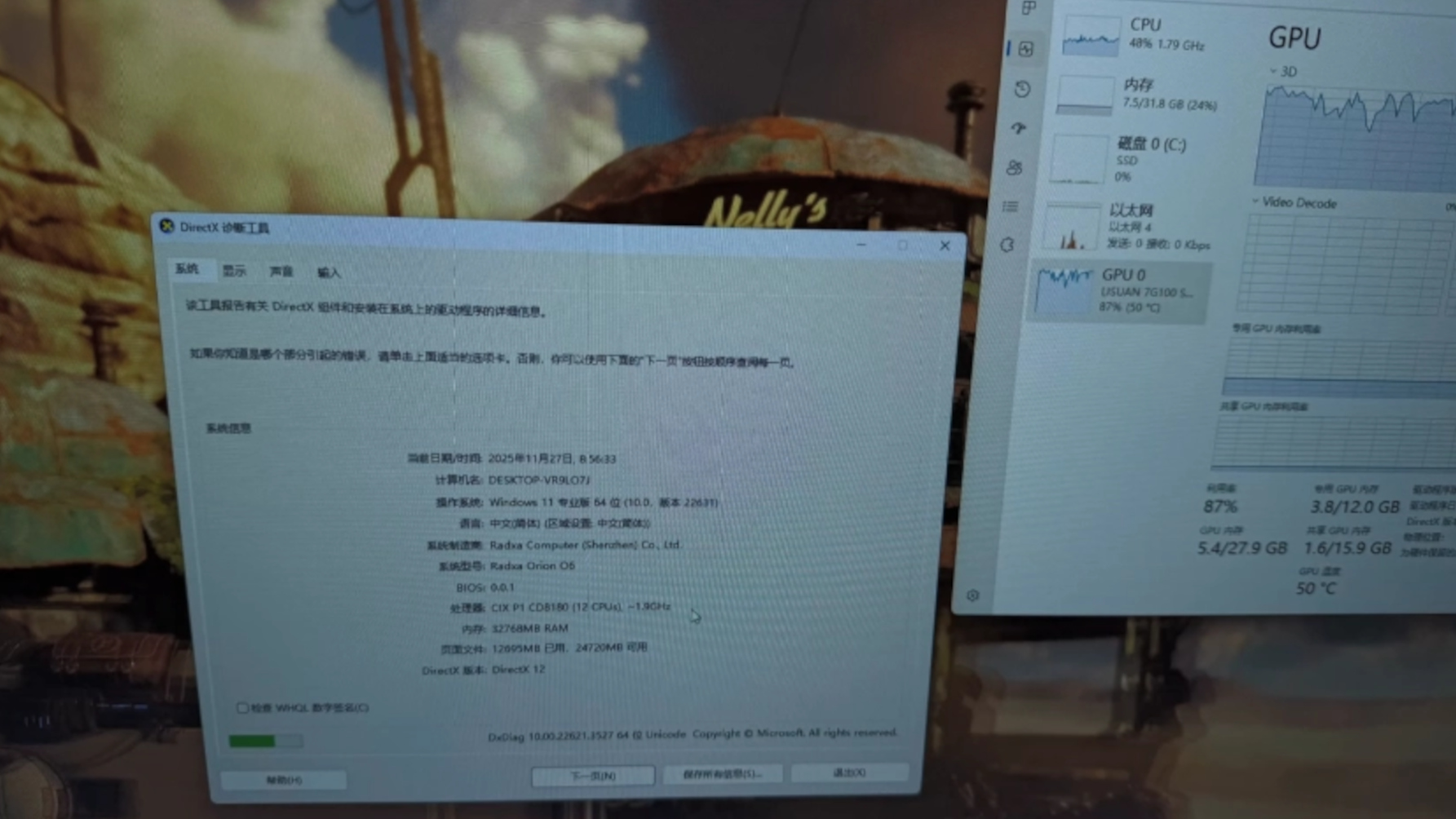
A video on Bilibili showed a Lisuan 7G106 graphics card hooked up to an ARM-based system featuring an ARM-based 12-core CP8180 CPU. The video showed the system running 3DMark’s Steel Nomad benchmark along with Task Manager on top, showing that the GPU clearly has 3D acceleration support within the ARM version of Windows 11. Furthermore, dxdiag was also shown to reveal DX12 support in the driver.
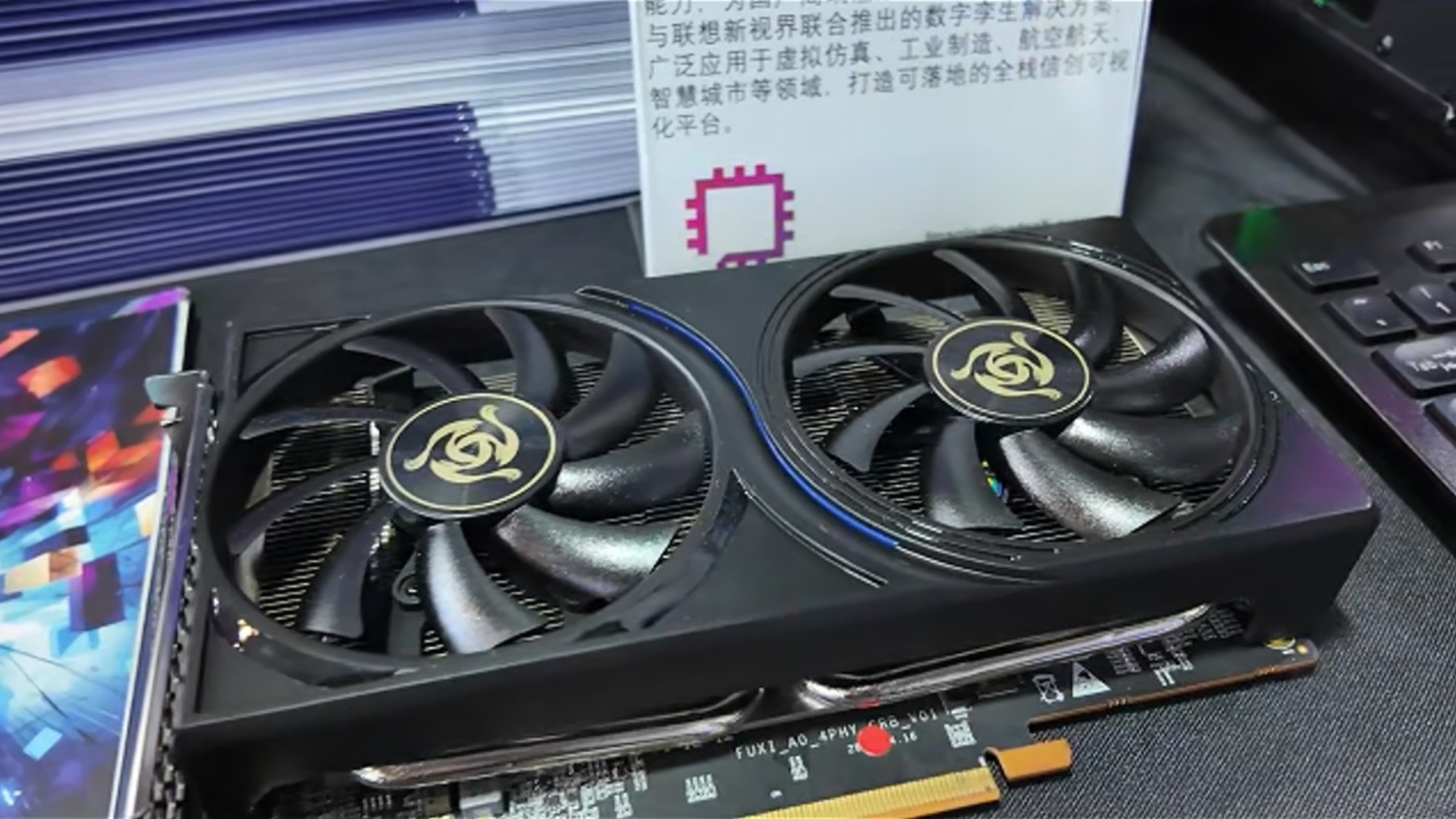
The Lisuan 7G106 is a Chinese-based graphics card aimed at the consumer market that has RTX 4060-like performance. The card boasts 12GB of memory on a 192-bit interface, 192 TMUs, 96 ROPs, PCIe 4.0 x16 support, and is based on Lisuan’s TrueGPU architecture. Despite its Chinese roots, the card is based on TSMC’s 6nm N6 process.
You may like
-
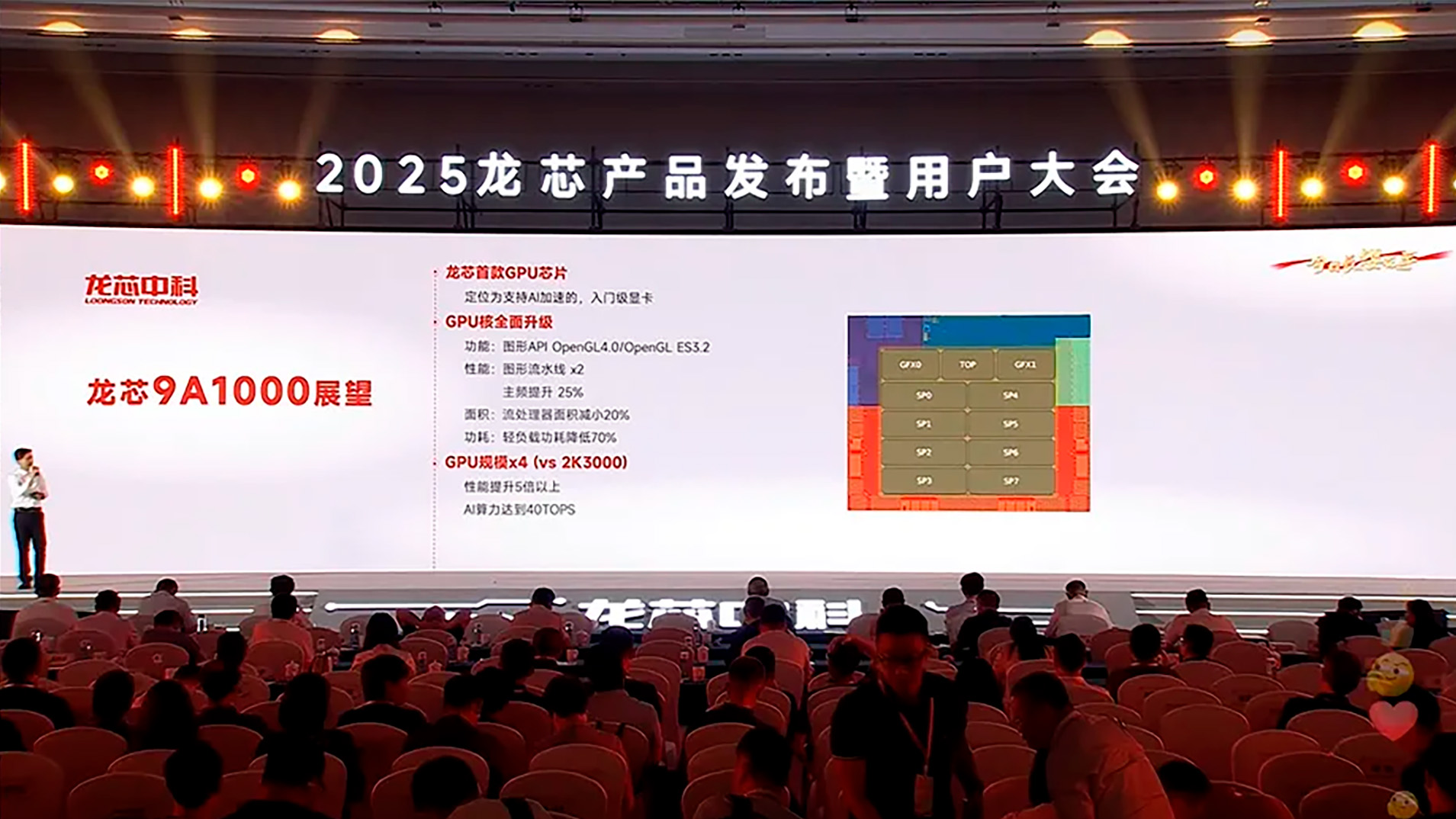 China’s entry-level GPU with AMD RX 550-level of performance is ready for tapeout
 -
![]() China’s latest GPU arrives with claims of CUDA compatibility and RT support
China’s latest GPU arrives with claims of CUDA compatibility and RT support -
 Chinese vendor showcases first mass-produced Imagination DXD GPU with ray tracing

Nvidia, AMD, and Intel have not publicly announced display drivers that support ARM-based machines for their consumer-grade discrete GPUs, so Lisuan has beaten everyone to the punch in this area. Technically, there are discrete GPU setups that are paired with ARM chips, such as Nvidia’s Grace Blackwell platform and third-party setups such as TinyCorps’ third-party driver that unlocks compatibility of RTX GPUs with M-series MacBooks. There is also Nvidia’s $4,000 DGX Spark that boasts an ARM chip and a Blackwell GPU, but technically, it is integrated.